
Texas Bat Colonies: Bat Watching Locations In Texas
By: The Kid’s Directory Family Resource Guide – Houston
April 2025. Last Updated July 2026 on kids-houston.com
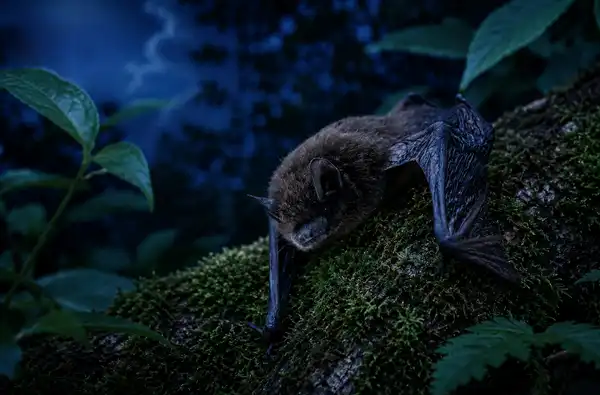
Discovering Texas Bat Colonies: Bat Watching Locations In Texas
Texas is known for many things: giant trucks, giant steaks, giant state pride, and apparently, giant colonies of bats. While some people hear the word “bat” and immediately picture vampire movies or Halloween decorations, Texans know better. In the Lone Star State, bats are hardworking nighttime neighbors that provide free pest control, fascinating wildlife experiences, and one of the most unexpectedly entertaining family outings you can have after sunset.
Bat watching in Texas has become a major attraction for families, photographers, nature lovers, curious travelers, and anyone who enjoys saying, “Wait… there are HOW many bats under that bridge?”
Spoiler alert: sometimes the answer is “millions.”
Overview of Bat Species in Texas
As we delve into the fascinating world of Texas bat colonies, we first appreciate the incredible diversity of bat species that call our state home. Texas is indeed the battiest state in the U.S., hosting 32 out of the 47 bat species found nationwide.
Among these, the Mexican free-tailed bat stands out as the most common, often found roosting in large colonies. These bats are tiny aerial acrobats with enormous appetites. One bat can eat hundreds of insects in a single night, and large colonies can consume tons of bugs nightly.
That means every time you enjoy an evening outdoors without being completely carried away by mosquitoes, you may owe a silent thank-you to Texas bats.
Farmers especially appreciate them because bats help reduce crop pests naturally. In other words, bats are basically unpaid night-shift employees working overtime for Texas agriculture.
A Brief History of Bat Watching in Texas
Believe it or not, bat watching wasn’t always considered a tourist activity. For decades, bats were misunderstood and often feared. Old myths painted them as dangerous creatures that attacked people, tangled in hair, or spread disease everywhere they flew.
Thankfully, science and education helped change public opinion.
In the 1980s and 1990s, conservationists began teaching people about the ecological importance of bats. As awareness grew, communities realized their local bat colonies could become educational attractions instead of nuisances.
Today, some Texas bat colonies attract hundreds of thousands of visitors annually. Entire festivals, guided tours, educational programs, and local businesses now celebrate the state’s famous flying mammals.
Somewhere along the way, Texans collectively decided:
“Maybe the tiny bug-eating sky puppies are actually pretty cool.”
And honestly? Fair decision.
Unique Features of Bat Colonies
What makes these bat colonies particularly enchanting is not only their size but their social structures.
For instance, female Mexican free-tailed bats form large maternity colonies, often in caves or under bridges, each giving birth to a single pup. This communal aspect of rearing young fosters a strong bond among the colonies, which can reach astonishing numbers; in places like Bracken Cave Preserve, we can witness millions of bats taking flight at dusk.
Importance of Bats in the Ecosystem
Bats aren’t just fascinating; they are incredibly important for our environment. They consume vast quantities of insects, including agricultural pests like moths and beetles.
In fact, it’s estimated that the bat colony at Bracken Cave alone devours over 100 tons of these pests each night during the summer.
Additionally, bats contribute to the pollination of many plants and the dispersal of seeds, allowing ecosystems to thrive. This interplay of roles makes them essential for maintaining ecological balance, especially in agricultural areas.
Myths About Bats
Regrettably, bats are often misunderstood. Myths surrounding them being bloodsuckers or harbingers of evil persist, despite the fact that most bats eat insects or fruit. In reality, bats are shy and avoid humans. By hosting educational programs, we can help dispel these myths and highlight the benefits bats provide to our ecosystems and agriculture alike.
Fun Facts About Texas Bats
Bats Are Not Blind
Contrary to the old saying, bats can actually see quite well. Many species also use echolocation, which helps them navigate and hunt insects in darkness.
Think of it as built-in biological sonar.
They Are Surprisingly Fast
Mexican free-tailed bats can fly over 90 miles per hour, making them some of the fastest mammals on Earth.
That tiny blur overhead? Basically a furry fighter jet.
Baby Bats Are Called Pups
Every summer, bat colonies become giant nurseries filled with baby bats clinging to their mothers.
It sounds adorable because it absolutely is.
They Help Texas Agriculture
Bats save farmers millions of dollars annually by eating crop-damaging insects naturally.
Without bats, farmers would likely need far more pesticides.
They Groom Constantly
Bats are actually very clean animals. They spend a lot of time grooming themselves and maintaining their wings.
So despite their spooky reputation, bats are basically tiny flying neat freaks.
Top Bat-Watching Locations in Texas
Bracken Cave Preserve Experience
One cannot discuss Texas bat colonies without mentioning the extraordinary Bracken Cave Preserve. Situated just outside San Antonio, it harbors the largest bat colony in the world, home to over 15 million Mexican free-tailed bats. Each evening, these bats spiral out from the cave at dusk, creating a breathtaking spectacle as they commence their nighttime insect hunts.
At Bracken Cave, we are also privy to unique educational opportunities, discovering how Bat Conservation International painstakingly works to protect this vital habitat. Advanced reservations are necessary to experience these incredible bat flights, emphasizing the importance of preserving their home.
Urban Bat Viewing at Congress Avenue Bridge
For those of us in Austin, the Congress Avenue Bridge provides an accessible yet exhilarating bat-watching experience. Here, around 1.5 million bats emerge each evening from late March through October, offering urban dwellers a chance to witness a natural wonder while enjoying the beautiful skyline of the Texas capital.
Viewing from above the bridge or booking a boat tour allows us to enjoy the spectacle without disturbing the bats an essential consideration for any responsible bat watcher.

Waugh Drive Bridge
Year-round, Waugh Drive Bridge is home to around 250,000 Mexican free-tailed bats. Watching them at sunset as they take to the skies over Buffalo Bayou is nothing short of magical. The best viewing spots are easily accessible along the bridge and nearby promenade, providing us with plenty of opportunities to appreciate their antics as they dive for insects.
Buffalo Bayou Partnership Offers Boat Trips on the Bayou
For a unique bat-watching experience, why not join one of the Buffalo Bayou Partnership’s boat trips? These excursions culminate in the breathtaking moment we see bats take flight from their roosts. The combination of scenic views and the excitement of bat emergence makes this a must-try for anyone intrigued by these mysterious creatures.
Old Tunnel State Park
Bat Haven
An old railroad tunnel provides a seasonal home for around 3 million bats. Join us for a bat emergence program to learn more about these flying mammals and to watch them embark on their nightly search for food and water!
Old Tunnel is home to up to 3 million Mexican free-tailed bats and 3,000 cave myotis bats from May through October. We open the park after 5 p.m. for bat viewing and programs (depending on staff availability) while the bats are here.
Fun Fact
The tunnel itself dates back to the early 1900s and was originally built for railroad transportation before becoming prime bat real estate.
Talk about a career change for a tunnel.
Devil’s Sinkhole State Natural Area
Texas Hill Country Region
The main attraction at Devil’s Sinkhole SNA is the Devil’s Sinkhole itself.
The main cavern is circular, up to 60 feet wide at the opening, and 350 feet deep, making it the largest single-chambered cavern and the third deepest in the state. The Statue of Liberty could easily fit inside.
About 3 million Mexican free-tailed bats inhabit the sinkhole seasonally, from May through October. These small, flying mammals put on quite a show in the evenings, forming a “tornado of bats” as they leave the cave to forage. About 3,000 to 4,000 cave swallows inhabit the cave at night while the bats are gone, and it is quite a sight to watch the cave swallows returning to the cave for the night while the bats are just beginning to emerge!
Frio Bat Cave
Texas Hill Country Region
View up to 10 million Mexican free-tailed bats, one of the largest colonies in Texas, as they make their ascent into the evening sky. This cave also provides the necessary elements mother bats need to give birth to and raise their pups each year. Hike to the top of the hill to witness one of nature’s most incredible spectacles. Check the sky for merlin, zone-tailed hawk, peregrine falcon, and red-tailed hawk, which hover just behind the crest of the hill to hunt the exiting bats.
Eckert James River Bat Cave Preserve
For those wanting a more rugged nature experience, the James River Bat Cave offers an unforgettable glimpse into Texas wildlife.
This privately managed preserve features guided tours and educational experiences focused on conservation and bat biology.
Watching millions of bats emerge from a remote cave in the Hill Country feels far different from watching urban bridge colonies. It is quieter, darker, and more connected to nature.
Other Notable Bat-Watching Sites
While Bracken Cave and Congress Avenue Bridge are among the most popular, various other sites across Texas also promise thrilling bat-viewing experiences.
For instance, we can venture to Clarity Tunnel in Caprock Canyons State Park, where hundreds of thousands of bats emerge nightly.
Best Time of Year for Bat Watching
The prime bat watching season in Texas typically runs from late spring through early fall.
Peak Months
- May
- June
- July
- August
- September
Summer evenings often provide the largest and most dramatic emergences because colonies are active and raising young.
Events and Educational Opportunities
Bat Conservation International Membership
Joining Bat Conservation International (BCI) brings numerous benefits for those passionate about bats. Members gain exclusive access to events, newsletters filled with the latest bat conservation news, and opportunities to engage in research and preservation efforts.
BCI provides extensive educational resources that can enhance our understanding of bats, perfect for families and schools. Engaging in workshops or community outreach initiatives allows us to learn more while helping others appreciate the importance of bats in our ecosystems
Participation in Bat-Related Events
Throughout the year, a variety of bat-related events take place across Texas. These include community gatherings, guided bat-viewing experiences, and educational programs aimed at raising awareness about bat conservation.
Annual Bat Chat Series in Houston
For Houston residents, the Bat Chat series offers an enjoyable way to learn more about bats. Organized by the Houston Area Bat Team, these informal Q&A sessions foster a deeper understanding of these creatures and help debunk common myths.
Bat Loco Festival in San Antonio
In August, we can participate in the Bat Loco Festival, which celebrates bat conservation in Texas. This fun-filled event features activities designed to educate attendees about bats, their ecological importance, and the efforts in place to protect them.
Member Nights at Bracken Cave
For those interested in visiting Bracken Cave, BCI hosts Member Nights from late spring through summer. These special events provide opportunities for interaction with experts and offer a chance to witness the breathtaking bat emergence firsthand. Reservations are essential, and participation ensures the ongoing conservation efforts at this vital site.
As we explore the wonders of Texas bat colonies together, it’s clear that these remarkable creatures deserve our admiration and protection. By appreciating their contributions to the environment and engaging in responsible bat-watching practices, we can help ensure that the magic of Texas bats continues for generations to come.
Ranger Programs and Guided Tours
Many parks and preserves offer:
- Junior ranger activities
- Bat talks
- Guided nature walks
- Conservation presentations
- Wildlife photography opportunities
Great for Homeschooling and School Trips
Bat watching combines:
- Biology
- Environmental science
- Texas history
- Wildlife conservation
- Outdoor recreation
Plus, students are far more likely to remember “the night millions of bats flew overhead” than another worksheet about ecosystems.
Bat-Watching Etiquette and Guidelines
Best Practices for Observing Bats
As we embark on our bat-watching adventures, it’s essential to observe ethical practices that protect both the bats and ourselves. Arriving early to locate the best viewing spots and keeping our voices low fosters a serene atmosphere that does not disturb the bats as they prepare for flight.
Dos and Don’ts During Visits
We should never shine bright lights or use phone flash while observing bats. Such disturbances can confuse and disrupt their emergence, sometimes leading them into danger. Instead, relying on the ambient light of dusk and being patient will reward us with a spectacular display.

Additionally, if we happen to encounter a fallen bat on the ground, it’s crucial to refrain from touching it. Instead, seeking help from a local wildlife authority will ensure that the bat receives appropriate care without exposing ourselves to risk.
Importance of Respecting Wildlife
It is vital to remember that when we engage with nature, we’re guests in the animals’ home. By respecting their habitat, maintaining distance, and valuing their wellbeing, we help protect these incredible creatures for future generations.
What to Do if You Encounter a Bat
If we find ourselves in a situation where we encounter a bat on the ground, our first step is to stay calm. Do not approach or attempt to handle the bat. The best course of action is to report the sighting to site officials or local wildlife services, who are better trained to help the bat safely. This ensures both our safety and the bat’s welfare.
Why Bat Watching Belongs on Every Texas Bucket List
Bat watching combines nature, science, entertainment, and outdoor adventure into one surprisingly memorable experience. It is affordable, family-friendly, educational, and uniquely Texan.
Where else can you spend an evening watching millions of tiny mammals launch into the sky while someone nearby casually says:
“Oh yeah, this happens every night”?
Texas bat watching reminds us that nature can still surprise us, even under a highway bridge or inside an old railroad tunnel.
So next time sunset rolls around, consider skipping another evening scrolling on the couch. Grab some water, head outdoors, and experience one of the wildest free shows Texas has to offer.
Just remember:
If you suddenly notice fewer mosquitoes afterward, you know who to thank.
Texas Bat Colonies: Events and Education References
Related Blog Articles:


For Spring & Summer Camps and Activities:
The KD Family Resource Guide!
The Kid’s Directory is the one-stop family resource for Houston & surrounding areas. Providing the best schools, after-school activities, field trips, Spring & Summer Camps and activities, ABA Therapies, medical services, pediatric & family dentistry, museums, libraries, everything for birthday parties, holiday activities & events, festivals, and so much more!
We not only provide resources in Houston but south to Galveston, west to Rosenberg & north to College Station. Resources not only for kids & families but also for those with kids looking for some much needed “me time”.
Need to take a break from the routine to have some fun and create lasting memories? Check our Calendar Of Events for constantly updated fun and exciting activities & events for your kids and family.
We are always updating resources, adding more options & even creating new sections on our website for more resources. So be sure to check back often or just come hang out to read a blog.
The Kid’s Directory is Houston & the surrounding area’s most respected and trusted family resource guide that can ease your life. It covers all the different activities available for families with children of all ages. Ranging from activities, spring/summer & winter camps, academics, pediatricians, dentists, therapy, events to sports, other cognitive activities and more. Follow us on Facebook and Instagram.
© The Kid’s Directory. Accessing this content you agree to our disclaimer/terms & conditions.
As an Amazon Associate we earn from qualifying purchases.