
What You Need to Know About Child Brain Development
By: The Kid’s Directory Family Resource Guide – Houston
Original article August 2020. Updated August 2026 on kids-houston.com
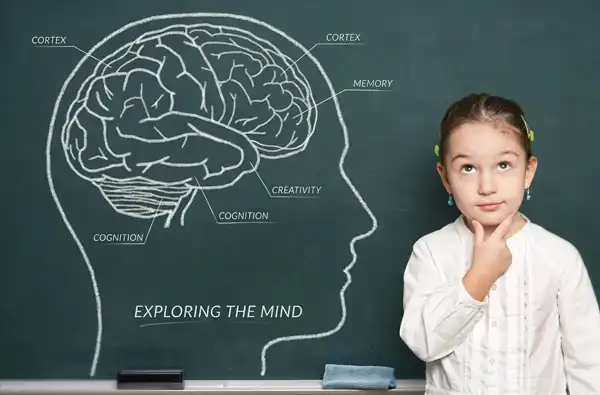
Understanding How Your Child’s Brain Grows, Learns, and Thrives
As parents, it’s easy to wonder what is going on inside your child’s mind. One minute they’re asking endless “why?” questions, and the next they’re having a complete meltdown because their sandwich was cut into triangles instead of squares. While these moments can leave parents scratching their heads, there’s actually a fascinating explanation behind many childhood behaviors—your child’s brain is still under construction.
From the moment your baby begins developing during pregnancy through the teen years and into young adulthood, the brain undergoes an incredible transformation. Millions of neural connections form every second during early childhood, laying the foundation for learning, emotional regulation, language, memory, social skills, and problem-solving.
Understanding the basics of child brain development doesn’t require a neuroscience degree. A little knowledge can go a long way toward helping parents respond with patience, set realistic expectations, and create an environment where children can thrive.
It’s also important to remember that every child develops at their own pace. Genetics, personality, health, life experiences, and environment all influence how a child’s brain grows. Some children may also have developmental differences such as Attention-Deficit/Hyperactivity Disorder (ADHD), autism spectrum disorder (ASD), learning disabilities, or other neurological conditions. These differences don’t mean a child’s brain is “wrong”—they simply reflect different developmental pathways.
In this guide, we’ll explore how children’s brains develop, why they think differently than adults, what parents can do to support healthy brain growth, and when it may be time to speak with your child’s pediatrician about developmental concerns.
Why Children's Brains Work Differently Than Adults'
One of the biggest misconceptions about childhood is assuming children process information the same way adults do. They don’t.
Although children can often surprise us with their intelligence, their brains are still developing the complex networks needed for reasoning, planning, emotional regulation, decision-making, and impulse control.
Modern brain imaging studies have shown that children and adults actually use different areas of the brain while performing similar tasks. Young children’s brains tend to rely on local neural connections, while adult brains communicate through more efficient long-distance networks. These connections become stronger and more specialized over time through learning, practice, and everyday experiences.
Think of it like building a road system.
A young child’s brain begins with lots of small neighborhood streets. As they grow, those streets gradually connect into highways, making communication faster and more efficient. Every bedtime story, conversation, puzzle, playground adventure, music lesson, and hug helps strengthen these important neural pathways.
Scientists call this process brain plasticity, or neuroplasticity—the brain’s remarkable ability to change and adapt throughout life. Early childhood is the period of greatest plasticity, making positive experiences especially powerful.
Just as importantly, the brain also goes through a process called pruning. Connections that are used frequently become stronger, while those that aren’t regularly used are gradually eliminated. Rather than being a bad thing, pruning actually makes the brain more efficient by strengthening the pathways children rely on most.
This is why repeated positive experiences matter so much during childhood. Reading together, talking throughout the day, exploring nature, imaginative play, solving problems, and practicing new skills all help build stronger brain connections that support learning for years to come.
How a Child's Brain Develops From Birth
A baby’s brain is remarkable from the very beginning—but it’s far from finished growing.
At birth, a baby’s brain is already about one-quarter of its adult size. During the first few years of life, it grows at an astonishing rate, reaching approximately 80% of adult size by age three and about 90% by age five. While brain size grows rapidly during these early years, development continues well into a person’s twenties as areas responsible for planning, judgment, and self-control continue to mature.
One reason newborns have “soft spots,” known as fontanelles, is to allow the skull to expand as the brain grows. These flexible areas also help babies safely pass through the birth canal during delivery.
Although it’s normal for parents to worry about these soft spots, they’re protected by a tough membrane and usually close naturally during infancy. Even so, babies’ heads should always be handled gently.
Because an infant’s brain is still extremely delicate, protecting it from injury is essential. One of the most serious preventable injuries is Abusive Head Trauma (formerly called Shaken Baby Syndrome). Vigorous shaking can cause severe brain injury, permanent disability, or death because an infant’s neck muscles are not strong enough to protect the brain from sudden movement.
Parents and caregivers should also take any significant head injury seriously. While many childhood bumps are minor, signs such as repeated vomiting, loss of consciousness, unusual sleepiness, seizures, confusion, severe headache, unequal pupils, or difficulty walking require immediate medical evaluation.
When in doubt, it’s always safest to contact your child’s healthcare provider or seek emergency care.
Brain Development Milestones: What Parents Can Expect
Every child develops at their own unique pace, but there are predictable stages of brain development that occur from infancy through young adulthood. Understanding these milestones can help parents set realistic expectations and recognize when it may be appropriate to seek guidance from a healthcare professional.
Keep in mind that milestones are general guidelines—not strict deadlines. Some children may master certain skills earlier or later than their peers while still developing typically.
Birth to 12 Months: Building the Foundation
The first year of life is one of the fastest periods of brain growth a person will ever experience. During this time, babies are learning to process an enormous amount of new information every day.
Their developing brains are constantly forming connections as they:
- Recognize familiar faces and voices.
- Learn cause and effect.
- Develop vision and hearing.
- Begin babbling and responding to language.
- Form secure emotional attachments.
- Explore their surroundings through touch, taste, and movement.
Simple daily interactions—holding your baby, making eye contact, talking, singing, reading aloud, and responding to their sounds—play a tremendous role in healthy brain development.
One of the most important concepts researchers emphasize is “serve and return” interaction. When a baby coos, points, smiles, or cries (the “serve”), and an adult responds warmly and consistently (the “return”), important neural pathways are strengthened. These back-and-forth interactions build the architecture of the developing brain and support language, emotional regulation, and social skills.
Ages 1–3: Curious Minds at Work
Toddlers are natural scientists.
Everything becomes an experiment:
- “What happens if I drop my spoon?”
- “Can I climb this chair?”
- “Why is the dog barking?”
- “What happens if I flush my toy?”
Although these moments can test a parent’s patience, they are essential learning opportunities. Toddlers’ brains are rapidly developing skills related to:
- Walking, running, and coordination.
- Vocabulary and communication.
- Memory.
- Problem-solving.
- Emotional expression.
- Imaginative play.
- Social interaction.
This is also when children begin developing executive function skills, including paying attention, remembering simple instructions, and beginning to control impulses. These abilities continue developing throughout childhood and adolescence.
Ages 3–5: Learning Through Play
Preschool-aged children are becoming more independent while continuing to build critical thinking skills.
Their brains are especially receptive to learning through play, exploration, and conversation.
During these years, children often:
- Ask hundreds of questions each day.
- Develop stronger language skills.
- Learn to recognize emotions.
- Practice empathy.
- Improve memory.
- Build creativity.
- Strengthen attention spans.
- Develop early math and literacy skills.
Parents sometimes worry that their child is “just playing.” In reality, play is one of the brain’s most powerful learning tools.
- Building with blocks teaches engineering concepts.
- Pretend play develops language and creativity.
- Board games strengthen memory and self-control.
- Outdoor play improves coordination and problem-solving.
In many ways, play is the brain’s favorite classroom.
Ages 6–12: Expanding Skills and Independence
Elementary school years bring remarkable cognitive growth.
Children become better able to:
- Solve increasingly complex problems.
- Understand multiple perspectives.
- Plan ahead.
- Organize tasks.
- Follow multi-step directions.
- Develop friendships.
- Build resilience.
Academic learning accelerates during this stage, but social and emotional development is just as important.
Children continue refining executive functioning skills while learning responsibility, teamwork, and emotional regulation.
Parents can encourage brain development by providing opportunities for:
- Reading every day.
- Creative hobbies.
- Music.
- Physical activity.
- STEM activities.
- Outdoor exploration.
- Meaningful conversations.
These experiences strengthen neural pathways that support lifelong learning.
Teen Years: A Brain Still Under Construction
Teenagers often look like adults, but their brains are still developing.
In fact, one of the last areas of the brain to fully mature is the prefrontal cortex, which is responsible for:
- Planning.
- Decision-making.
- Impulse control.
- Risk assessment.
- Organization.
- Emotional regulation.
Meanwhile, areas involved in emotions and rewards develop earlier. This mismatch helps explain why teenagers sometimes make impulsive decisions despite knowing better.
It’s not that teenagers lack intelligence—they’re still building the brain networks that help them consistently apply good judgment.
Parents can support healthy development by:
- Maintaining open communication.
- Setting clear and consistent boundaries.
- Encouraging healthy sleep habits.
- Promoting physical activity.
- Limiting excessive screen time.
- Allowing age-appropriate independence while providing guidance.
Remember, the goal isn’t perfection—it’s gradual growth.
Research shows that brain development continues into the mid-to-late twenties, which means young adults are still refining important skills like planning, self-control, and decision-making well beyond high school.
When Should Parents Be Concerned?
Every child develops at their own pace, but there are times when delays or sudden changes warrant medical attention. Early identification of developmental concerns can make a significant difference because early intervention services are often most effective when started as soon as possible.
Consider speaking with your child’s pediatrician if you notice any of the following:
Developmental concerns
- Missing multiple developmental milestones.
- Loss of previously learned skills (developmental regression).
- Limited eye contact or social interaction.
- Little or no babbling or speech development compared with expected milestones.
- Difficulty understanding simple instructions.
- Persistent problems with balance or coordination.
Behavioral or cognitive concerns
- Extreme difficulty paying attention compared with peers.
- Significant challenges with emotional regulation that interfere with daily life.
- Persistent difficulty interacting with others.
- Major learning difficulties despite appropriate instruction.
- Frequent confusion or memory concerns.
Medical concerns requiring immediate evaluation
Seek emergency medical care immediately if your child experiences:
- A serious head injury.
- Loss of consciousness.
- Repeated vomiting after a head injury.
- Seizures.
- Sudden weakness on one side of the body.
- Slurred speech.
- Difficulty walking.
- Unequal pupils.
- Severe headache following trauma.
- Persistent confusion or unusual drowsiness.
Prompt evaluation can help identify serious conditions such as concussion, traumatic brain injury, stroke, or other neurological emergencies.
Remember, noticing a delay or concern doesn’t necessarily mean something is seriously wrong. Children develop at different rates, and many concerns have treatable causes or benefit greatly from early support. If something doesn’t seem right, trust your instincts and discuss your observations with your child’s healthcare provider.
What Influences Healthy Brain Development?
A child’s brain develops through a combination of genetics and life experiences. You may have heard the phrase “nature versus nurture,” but experts now understand that healthy development depends on both.
Genetics provide the blueprint for brain development, while everyday experiences help shape how those genes are expressed. Loving relationships, healthy nutrition, quality sleep, physical activity, and opportunities to learn all play an important role.
While parents can’t control every factor that affects brain development, they can create an environment that gives children the best opportunity to reach their full potential.
Factors That Support Healthy Brain Development
Loving, Responsive Relationships
One of the greatest gifts parents can give their children is a secure, loving relationship.
Children who consistently experience warmth, encouragement, affection, and responsive caregiving are better equipped to develop:
- Emotional regulation
- Confidence
- Social skills
- Language
- Problem-solving abilities
- Resilience
You don’t have to be a perfect parent—just a consistently caring one.
Good Nutrition
The brain requires a steady supply of nutrients to grow and function properly.
Healthy eating habits support memory, concentration, mood, and learning.
Focus on foods such as:
- Fruits and vegetables
- Whole grains
- Lean proteins
- Eggs
- Dairy products
- Fish rich in omega-3 fatty acids
- Nuts and seeds (when age-appropriate)
- Plenty of water
Limiting highly processed foods and sugary beverages can also help support overall health.
If you have concerns about your child’s diet or growth, speak with your pediatrician or a registered dietitian.
Quality Sleep
Sleep is when much of the brain’s “housekeeping” takes place.
During sleep, the brain:
- Strengthens memories
- Organizes information learned throughout the day
- Supports emotional regulation
- Promotes growth and repair
Children who don’t get enough sleep may have difficulty with:
- Learning
- Attention
- Mood
- Behavior
- Problem-solving
Creating a consistent bedtime routine and limiting screens before bed can improve sleep quality for children of all ages.
Physical Activity
Exercise benefits far more than muscles—it also benefits the brain.
Regular physical activity improves:
- Memory
- Attention
- Learning
- Mood
- Stress management
- Coordination
Young children should have plenty of opportunities for active play every day, while older children and teens benefit from sports, biking, dancing, hiking, swimming, or simply spending time outdoors.
Reading Together
Reading remains one of the most effective ways to support brain development.
Reading aloud helps children develop:
- Vocabulary
- Listening skills
- Imagination
- Memory
- Concentration
- Critical thinking
- Emotional understanding
Even older children benefit from reading together or discussing books.
The conversations that happen during story time are just as valuable as the stories themselves.
Play Is Powerful Learning
Children learn best through play.
Whether they’re building forts, pretending to run a restaurant, solving puzzles, creating art, or exploring a park, they’re strengthening important brain connections.
Play encourages:
- Creativity
- Planning
- Language
- Social skills
- Cooperation
- Flexible thinking
- Executive functioning
Free, unstructured play remains one of childhood’s greatest learning opportunities.
Managing Stress
Not all stress is harmful.
Short-term challenges—such as trying something new or taking a test—can help children develop resilience.
However, chronic, ongoing stress without supportive relationships can negatively affect developing brain architecture.
Parents can help reduce unhealthy stress by:
- Keeping routines predictable.
- Encouraging open conversations.
- Teaching healthy coping skills.
- Helping children identify emotions.
- Modeling calm problem-solving.
- Seeking professional support when needed.
Screen Time and Brain Development
Technology is now part of everyday family life, and it isn’t realistic—or necessary—to eliminate screens altogether.
Instead, experts recommend focusing on healthy screen habits.
Encourage children to:
- Balance screen time with outdoor play.
- Get enough sleep.
- Engage in face-to-face conversations.
- Participate in physical activity.
- Read books.
- Enjoy creative hobbies.
For younger children, choosing high-quality educational content and watching together whenever possible helps turn screen time into a shared learning experience.
For older children and teens, maintaining open communication about digital citizenship, online safety, and social media can help foster healthier technology use.
Ten Simple Ways to Support Your Child's Brain Every Day
Healthy child brain development doesn’t require expensive toys or complicated programs. Small, consistent actions often have the greatest impact.
Try to:
- Read together every day.
- Talk with your child often—even babies benefit from conversation.
- Encourage curiosity by answering questions and exploring new topics together.
- Spend time outdoors in nature.
- Offer opportunities for imaginative and creative play.
- Prioritize healthy meals and adequate sleep.
- Stay physically active as a family.
- Limit distractions during family conversations and meals.
- Praise effort, perseverance, and problem-solving rather than perfection.
- Fill your home with love, patience, encouragement, and laughter.
These everyday moments build the strong relationships that support lifelong learning.
Child Brain Development Trusted Resources for Parents
If you’d like to learn more about child brain development, these organizations provide reliable, research-based information:
- Centers for Disease Control and Prevention (CDC) — Developmental milestones, child development, and concussion information.
- American Academy of Pediatrics (AAP) — Parenting guidance, healthy development, and child wellness.
- Harvard Center on the Developing Child — Research on early childhood brain development, resilience, and “serve and return” interactions.
- National Institute of Child Health and Human Development (NICHD) — Information about child health and developmental research.
- Zero to Three — Practical resources for families with infants and toddlers.
Child Brain Development Final Thoughts
Watching a child grow is one of life’s greatest adventures. Behind every first smile, first word, first friendship, and first day of school, an incredible amount of brain development is taking place.
Although genetics provide the foundation, everyday experiences shape how a child’s brain develops. Loving relationships, meaningful conversations, healthy habits, active play, quality sleep, good nutrition, and opportunities to explore all help strengthen the neural pathways children rely on throughout life.
Parents don’t need to provide a perfect childhood to raise healthy, capable children. What matters most is creating a safe, nurturing environment where children feel loved, supported, and encouraged to learn from both their successes and their mistakes.
Remember that every child develops at their own pace. Celebrate progress rather than perfection, and don’t hesitate to reach out to your child’s healthcare provider if you have questions about development or milestones. Early guidance and support can make a meaningful difference.
By understanding how children’s brains grow and by supporting that development with patience, connection, and everyday learning opportunities, you’re helping build a strong foundation that can benefit your child for years to come.
Related Blog Articles:


More For Your Family:
The KD Family Resource Guide!
Providing the best schools, after-school activities, field trips, Spring & Summer Camps and activities, ABA Therapies, medical services, pediatric & family dentistry, museums, libraries, parents night out, kids eat free, retail, everything for birthday parties, holiday activities & events, festivals, and so much more!
We not only provide resources in Houston but south to Galveston, west to Rosenberg & north to College Station. Resources not only for kids & families but also for those with kids looking for some much needed “me time”.
Need to take a break from the routine to have some fun and create lasting memories? Check our Calendar Of Events for constantly updated fun and exciting activities & events for your kids and family.
We are always updating resources, adding more options & even creating new sections on our website for more resources. So be sure to check back often or just come hang out to read a blog.
The Kid’s Directory is Houston & the surrounding area’s most respected and trusted family resource guide that can ease your life. It covers all the different activities available for families with children of all ages. Ranging from activities, spring/summer & winter camps, academics, pediatricians, dentists, therapy, events to sports, other cognitive activities and more. Follow us on Facebook and Instagram.
© The Kid’s Directory. Accessing this content you agree to our disclaimer/terms & conditions.
As an Amazon Associate we earn from qualifying purchases.