
Esports for Gamers... Game On!
(Yes, It’s a Thing!)
By: The Kid’s Directory Family Resource Guide – Houston
May 2026 on kids-houston.com
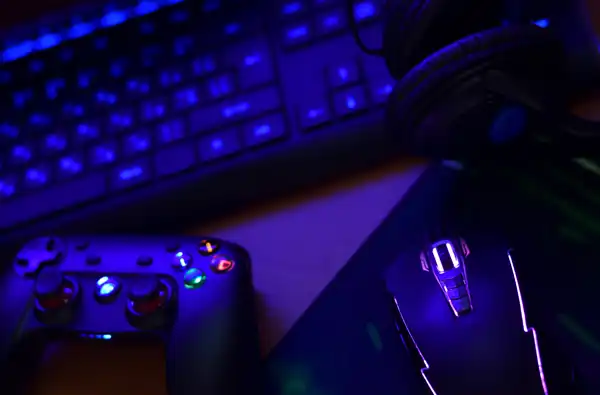
Esports for Gamers… Game On!
There was a time when “playing video games” meant sitting a little too close to the TV, arguing over whose turn it was, and being told—repeatedly—to go outside. Fast forward to today, and that same hobby has evolved into a global phenomenon complete with packed arenas, college scholarships, professional teams, and commentators who sound like they’re calling the final seconds of the Super Bowl.
Welcome to esports: the world where gaming meets competition, strategy, and surprisingly serious skill.
If you’ve ever wondered whether esports is just hype or something more substantial, you’re not alone. Let’s take a deep dive into what esports really is, why it’s growing so quickly, and whether it’s something worth embracing for your family.
What Is Esports, Really?
At its simplest, esports (short for electronic sports) refers to organized, competitive video gaming. But that simple definition barely scratches the surface.
Esports involves players competing individually or as part of teams in structured matches, leagues, and tournaments. These competitions are often centered around popular games like:
- Fortnite
- Rocket League
- League of Legends
- Super Smash Bros.
- Overwatch
Players train, practice, and refine their skills much like athletes in traditional sports. Matches can range from casual local competitions to massive international events with millions of viewers and prize pools that rival major sporting events.
And yes—people watch esports. A lot of people. Entire arenas fill with fans cheering for their favorite teams, while millions more stream matches online. It’s part competition, part entertainment, and part community.
How Did Esports Become So Popular?
Esports didn’t just appear overnight—it grew alongside technology, internet connectivity, and the cultural shift toward digital entertainment.
Several key factors have fueled its rise:
1. Accessibility of Gaming
Video games are more accessible than ever. Whether on consoles, PCs, or mobile devices, kids and teens can easily jump into games and start learning.
2. Online Connectivity
High-speed internet allows players to compete with others around the world in real time. What used to be local is now global.
3. Streaming Platforms
Platforms like Twitch and YouTube have turned gaming into a spectator sport. Players can broadcast their matches, build audiences, and even turn gaming into a career.
4. Institutional Support
Schools and universities now offer esports teams and scholarships, legitimizing gaming as a competitive pursuit.
5. Community and Culture
Gaming has become a shared cultural experience. It’s not just about playing—it’s about connecting, collaborating, and competing.
What Do Esports Players Actually Do?
Despite the stereotype of “just sitting and playing,” esports players engage in structured, disciplined routines.
A typical competitive player might:
- Practice specific skills like aiming, timing, or movement mechanics
- Study game strategies and analyze past matches
- Communicate with teammates to develop coordinated plays
- Participate in scrimmages and tournaments
- Review gameplay footage to identify strengths and weaknesses
Team-based games, in particular, require a high level of coordination. Players must understand their roles, anticipate opponents’ moves, and adapt strategies on the fly.
It’s a mental workout disguised as entertainment.
Skills Developed Through Esports
One of the biggest misconceptions about esports is that it lacks real-world value. In reality, it can help develop a range of transferable skills.
• Strategic Thinking
Players constantly evaluate situations, make decisions, and adjust plans in real time.
• Communication
Team-based games require clear, concise communication—especially under pressure.
• Problem-Solving
Every match presents new challenges that require creative solutions.
• Focus and Discipline
Maintaining attention during long matches or tournaments builds mental endurance.
• Teamwork and Leadership
Successful teams rely on collaboration, trust, and effective leadership.
These are the same skills emphasized in traditional sports and academic settings—just applied in a digital environment.
The Pros of Esports
Provides a Structured Outlet for Gaming
Let’s be honest—many kids are already playing video games. Esports offers a way to channel that interest into something more structured and purposeful.
Instead of endless, unregulated play, esports introduces:
- Goals and progression
- Coaching and feedback
- Organized competition
It transforms gaming from a passive activity into an active pursuit.
Encourages Social Interaction
Contrary to the stereotype of gamers as isolated, esports is highly social.
Players:
- Work together in teams
- Communicate constantly during matches
- Build friendships through shared experiences
For kids who may not gravitate toward traditional sports, esports can provide a sense of belonging and community.
Esports Builds Confidence Through Achievement
Improvement in esports is measurable. Players can see their progress over time, whether it’s climbing rankings, mastering skills, or contributing to team victories.
That sense of growth can be incredibly motivating and confidence-building.
Opens Doors to Future Opportunities
Esports is more than just playing games—it’s an entire ecosystem.
Potential pathways include:
- Competitive play at school or collegiate levels
- Streaming or content creation
- Game development and design
- Broadcasting and event production
Even if a child doesn’t pursue esports professionally, the exposure to technology and media can be valuable.
Makes Learning Feel Engaging
Esports often incorporates elements of STEM (science, technology, engineering, and math), critical thinking, and communication—all within a context that kids find exciting.
Learning doesn’t feel like a chore when it’s tied to something they love.
The Cons of Esports
Increased Screen Time
This is the most obvious concern—and a valid one.
Esports requires significant time spent in front of screens. Without balance, this can lead to:
- Eye strain
- Reduced physical activity
- Sleep disruptions
Setting boundaries and encouraging breaks is essential.
Potential for Over-Competitiveness
While competition can be motivating, it can also become stressful if taken too seriously.
Some players may feel pressure to perform, especially in more competitive environments. It’s important to keep the focus on enjoyment and personal growth.
Cost of Equipment
High-level gaming often requires:
- A capable computer or console
- Reliable internet
- Accessories like headsets and controllers
While not all esports require expensive setups, costs can add up for families.
Online Behavior and Safety
Gaming environments can sometimes expose players to:
- Toxic behavior
- Inappropriate language
- Unmoderated interactions
Choosing structured programs or monitored platforms can help mitigate these risks.
Limited Physical Activity
Esports is primarily sedentary. Without intentional effort, it can replace time that might otherwise be spent being physically active.
Balancing esports with outdoor play or sports is important for overall health.
Is Esports Right for Your Family?
Esports isn’t a one-size-fits-all activity—and that’s perfectly fine.
It may be a great fit if your child:
- Loves gaming and wants to improve
- Enjoys teamwork and competition
- Is interested in technology or digital media
It may not be ideal if:
- Screen time is already a challenge
- Your child prefers physical, outdoor activities
- Competitive environments cause stress
The key is balance. Esports can be a positive, enriching experience when paired with healthy habits and realistic expectations.
Final Thoughts: A New Kind of Playing Field
Esports represents a shift in how we think about play, competition, and skill-building. It takes something many kids already enjoy and elevates it into a structured, social, and often educational experience.
It may not involve grass stains or muddy cleats, but it does involve strategy, teamwork, and determination—the same qualities we value in more traditional activities.
So yes, esports is a thing. A big thing.
And for many families, it’s not just about playing games—it’s about finding a new way to connect, grow, and maybe even discover talents that wouldn’t show up anywhere else.
Because sometimes, the path to learning, confidence, and community doesn’t start on a field—it starts with a controller, a headset, and a team ready to play.
Related Blog Articles:

The KD Family Resource Guide!
Providing the best schools, after-school activities, field trips, Spring & Summer Camps and activities, ABA Therapies, medical services, pediatric & family dentistry, museums, libraries, parents night out, kids eat free, retail, everything for birthday parties, holiday activities & events, festivals, and so much more!
We not only provide resources in Houston but south to Galveston, west to Rosenberg & north to College Station. Resources not only for kids & families but also for those with kids looking for some much needed “me time”.
Need to take a break from the routine to have some fun and create lasting memories? Check our Calendar Of Events for constantly updated fun and exciting activities & events for your kids and family.
We are always updating resources, adding more options & even creating new sections on our website for more resources. So be sure to check back often or just come hang out to read a blog.
The Kid’s Directory is Houston & the surrounding area’s most respected and trusted family resource guide that can ease your life. It covers all the different activities available for families with children of all ages. Ranging from activities, spring/summer & winter camps, academics, pediatricians, dentists, therapy, events to sports, other cognitive activities and more. Follow us on Facebook and Instagram.
© The Kid’s Directory. Accessing this content you agree to our disclaimer/terms & conditions.
As an Amazon Associate we earn from qualifying purchases.